Types of Cranes in South Africa | Lifting & Fleet Guide
Understanding the different types of cranes used across South African civil engineering, mining, logistics, and manufacturing sectors is essential for selecting safe, cost-effective lifting equipment. Whether you are managing a commercial high-rise development in Sandton, coordinating container rigging at the Port of Durban, or running heavy plant maintenance in Mpumalanga, matching the right crane machine to your site conditions prevents costly downtime and ensures strict Occupational Health and Safety (OHS) compliance.
From road-legal hydraulic truck rigs to heavy tracked crawlers and fixed warehouse bridge systems, this guide breaks down the 12 types of cranes operating across South Africa, their lifting capacities, and key procurement rules.
Mobile vs. Static Lifting Equipment: How Cranes Are Classified
Before booking crane hire or evaluating crane trucks for sale in south africa, site managers classify lifting gear into two primary engineering groups:
Mobile Cranes: Mounted on rubber-tyred commercial chassis or steel crawler tracks, allowing rapid relocation between job sites or self-propelled movement across uneven construction terrain.
Static (Fixed) Cranes: Permanently or semi-permanently anchored to concrete foundations, building structures, or factory runway rails to execute repetitive, high-precision lifts within a defined working envelope.
The 12 Types of Cranes Used Across South African Industries
Reviewing the different kinds of cranes available in the local market helps contractors match boom reach, ground-bearing pressure, and payload ratings to specific project requirements:
1. Mobile & Road-Legal Cranes
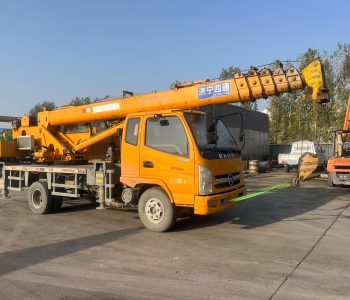
Truck Mounted Crane (Crane Truck): Combines a road-legal commercial truck (such as Isuzu, FAW, MAN, UD, or Mercedes-Benz) with a hydraulic knuckle-boom or telescopic jib behind the cab. Ideal for self-loading bricks, roof trusses, generators, and pipes without needing secondary lifting equipment on site.
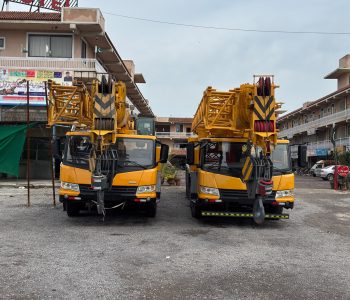
All-Terrain Mobile Crane: Multi-axle hydraulic telescopic cranes capable of highway travel speeds while handling off-road construction surfaces. Widely deployed by national operators like Johnson Crane Hire, Concord Cranes, Cleveland Crane Hire, RGM Cranes, and Allied Crane Hire in capacities ranging from 35 tonnes to over 1,000 tonnes.
Rough-Terrain Crane: Compact 4-wheel-drive cranes fitted with oversized rubber tyres and heavy hydraulic outriggers, engineered specifically for tight, unpaved quarry and construction sites.
Crawler Crane: Mounted on heavy steel tracks rather than tyres, distributing ground pressure evenly across soft, muddy, or unprepared mining ground without requiring outriggers.
Pick-and-Carry / Carry Deck Crane: Compact four-wheeled cranes engineered to hoist a load and travel with it across warehouse floors or confined industrial plants.
2. Fixed & Structural Building Cranes
Tower Crane: Anchored to deep concrete bases alongside skyscrapers, featuring a tall vertical mast and a 360-degree slewing horizontal jib. Essential for high-rise commercial builds in Johannesburg, Pretoria, and Cape Town.
Overhead Crane (Bridge Crane): Runs along elevated steel runway beams spanning the width of factories, mining workshops, and steel mills (frequently supplied by manufacturers such as Konecranes).
Gantry Crane: Similar to a bridge crane, but supported on freestanding A-frame steel legs running on ground-level tracks. Heavily utilized at shipping ports in Durban, Richards Bay, and outdoor steel stockyards.
Jib Crane: A wall-mounted or floor-pillar pivoting arm fitted with a hoist, designed for localized, repetitive lifting over manufacturing workstations.
3. Specialized & Workshop Lifting Gear
Electromagnetic Crane (Magnetic Crane): Replaces the standard lifting hook with a high-powered crane magnet. An electro magnetic crane or crane with an electromagnet is indispensable in South African scrap metal recycling yards and steel plate facilities for rapid ferrous handling. (Note: Building a working electromagnetic crane project from an electromagnetic crane kit is also a staple Grade 7 Technology practical in local schools).
Hydraulic Engine Crane: Portable workshop floor hoists (engine crane for sale) mounted on heavy castors, used by fleet mechanics to pull and install heavy diesel engines.
Floating Crane: Barge- or pontoon-mounted heavy-lift rigs deployed for offshore marine engineering, harbour construction, and port salvage operations.
Comparison Matrix: Choosing the Right Crane Machine
| Crane Category | Mobility & Setup | Typical Capacity Range | Primary South African Application |
| Truck Mounted Crane | Highway-legal commercial truck | 3 to 45+ ton-metres | Brick, container, steel & pipe self-loading |
| All-Terrain Mobile Crane | Multi-axle road & site travel | 35 to 1,200 tonnes | Bridge beams, wind turbines & plant rigging |
| Rough-Terrain Crane | 4WD heavy tyres + outriggers | 20 to 130 tonnes | Uneven earthworks & mine site construction |
| Crawler Crane | Tracked undercarriage | 50 to 3,000+ tonnes | Heavy civil engineering & soft ground sites |
| Tower Crane | Fixed concrete mast base | 6 to 80+ tonnes | High-rise commercial & residential towers |
| Overhead / Gantry Crane | Elevated rails or ground tracks | 5 to 500 tonnes | Mining workshops, steel mills & shipping ports |
| Electromagnetic Crane | Overhead or mobile magnet rig | 5 to 50+ tonnes | Scrap steel sorting & foundry plate handling |
South African OHS Compliance & Operator Requirements
Whether you opt for short-term crane truck hire or decide to buy crane truck assets outright, South Africa’s Occupational Health and Safety (OHS) Act Driven Machinery Regulations enforce strict compliance:
Annual Load-Test Certificate: Every lifting machine must hold a current annual load-test certificate issued by a registered Lifting Machine Inspector (LMI).
Load Moment Indicator (LMI): Electronic overload cut-off sensors, anti-two-block switches, and hydraulic outrigger locks must be calibrated and tested prior to every lift.
Accredited Crane Operator: Every crane operator must hold a valid licence and crane operator training certificate from a TETA-accredited academy matching the specific crane class and tonnage.
Frequently Asked Questions (FAQs)
What are the most common types of cranes used in South African construction?
The most widely used types of cranes in South Africa include road-legal truck mounted crane units for self-loading deliveries, telescopic mobile crane fleets for heavy rigging, tracked crawler crane rigs for soft mining terrain, and fixed tower crane structures for high-rise urban buildings.
What is the difference between an overhead crane and a gantry crane?
An overhead crane runs on elevated runway beams attached to the structural columns of a factory or warehouse roof. A gantry crane carries its bridge girder on freestanding A-frame steel legs that travel along ground-level rails, making it ideal for outdoor yards and shipping ports.
Should I choose crane truck for hire or buy a crane truck for sale in South Africa?
Booking a crane truck for hire is ideal for short-term contracts or fluctuating tonnage needs because it avoids upfront capital expenditure, annual LMI certification costs, and ongoing maintenance. Purchasing a crane truck for sale delivers better long-term ROI for logistics and construction firms executing daily self-loading deliveries.
How much is a typical crane operator salary and what course is required?
A qualified crane operator salary (including mobile crane operator salary roles across Gauteng, KZN, and the Western Cape) typically ranges from R12,000 to R30,000+ per month, depending on tonnage rating and mining vs. commercial sector experience. Operators must complete an accredited crane operator course through a TETA-approved training provider.
Source Compliant Lifting Equipment for Your Next Project
Selecting the right construction crane whether a versatile knuckle-boom crane truck or a high-capacity mobile rig keeps your site safe, compliant, and on schedule.
Contact our heavy equipment specialists today to discuss your load weight, working radius, and site location and get a tailored quote for your next lifting requirement!